Collection: RockREMOTE

RockREMOTE devices add Iridium Certus 100 connectivity to remote systems, with both satellite IP and IMT messaging available on the same device.


Use IP when your application needs TCP/IP, Ethernet-connected equipment, remote access, gateway backhaul, or hosted edge applications. Use IMT when compact message-based data is enough, helping manage airtime cost, power draw, and data volume.


Choose from OEM modules, externally mounted terminals, rugged field devices, and DIN-rail hardware for fixed, mobile, or semi-fixed installations beyond terrestrial networks.

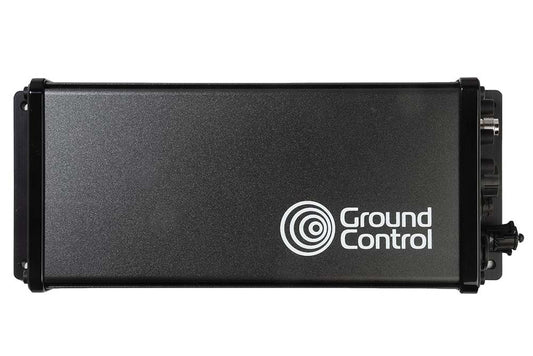
  • RockREMOTE Mini

    Add satellite IP and IMT messaging to remote equipment without building your own enclosure. RockREMOTE Mini gives you Certus 100, Ethernet, serial, GPIO, and low-power operation in a compact IP66 terminal.

  • RockREMOTE Rugged

    IP67 satellite and LTE terminal for remote IoT systems that need Iridium Certus 100, IP connectivity, IMT messaging, and automatic failover, with Ethernet, serial, GPIO, and hosted Linux apps.

  • RockREMOTE

    Dual-mode Iridium Certus 100 and LTE terminal for industrial IoT systems that need secure IP connectivity, IMT messaging, and remote telemetry beyond fixed networks.

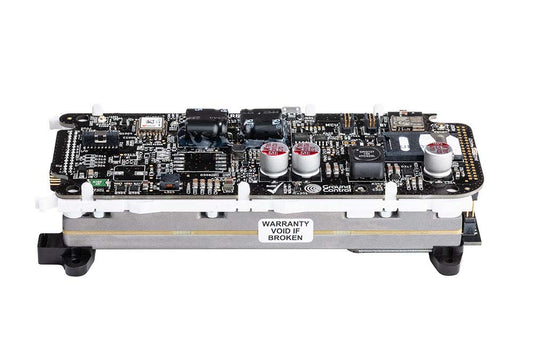
  • RockREMOTE Mini OEM

    Board-level Iridium Certus 100 module providing satellite IP and IMT message-based data transport for remote IoT applications. Built for direct integration into unmanned systems, autonomous equipment, and compact industrial devices.

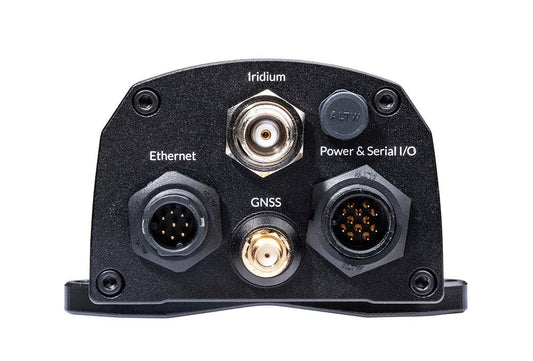
RockREMOTE Mini Form Factors

This short video introduces RockREMOTE Mini and RockREMOTE Mini OEM, two compact Iridium Certus 100 options for remote satellite IP connectivity.

Evan covers power use, I/O, Cloudloop, IMT messaging, and the different integration paths: a ready to deploy device, or an OEM module for space constrained products and existing enclosures.

Frequently Asked Questions

Choose RockREMOTE Mini OEM if you're building Iridium Certus 100 into your own product and want the smallest, lightest integration route. It's the best fit when you already have an enclosure, antenna plan, host system, and power design.

Choose RockREMOTE Mini if you want compact, low power satellite IP connectivity in an externally mounted device, rather than an OEM board. It's a good fit for remote equipment where enclosure, mounting, and antenna placement are part of the problem you want solved.

Choose RockREMOTE Rugged if the device needs to live in a harsher environment and you want a field-ready terminal with satellite, cellular, Ethernet, Wi-Fi, serial interfaces, and full hosted application support.

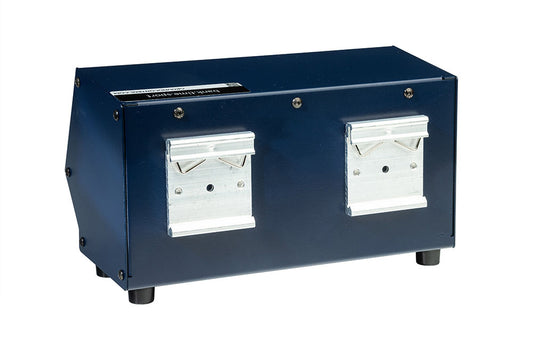
Choose RockREMOTE Classic if you need an internally mounted DIN-rail device for cabinet, control-panel, or industrial installations, with satellite, cellular, Ethernet, serial interfaces, optional Wi-Fi, and hosted application support.

All RockREMOTE devices use Iridium Certus 100 for satellite IP connectivity and also support IMT for message-based data. Mini and Mini OEM are satellite-only devices. Rugged and Classic add cellular, making them a better fit where you want terrestrial connectivity when available and satellite when needed.

Yes. Like all satellite devices, antenna placement matters. The patch antenna option is suitable when the module can "see" the sky, including through some non-metallic enclosures. If the module will sit deeper inside an enclosure, or behind metal, use the SMA variant with a suitable external antenna.

Head over to https://docs.groundcontrol.com/ for product specifications, integration guides, Cloudloop services, APIs, AT command references, and device-specific resources.

You'll also find product-specific code examples and libraries linked from individual products - for example, our open source C and Python libraries created for the RockBLOCK 9704.

You can review example Iridium Certus 100 plans here: https://www.groundcontrol.com/products/iridium/iridium-certus-100-range/iridium-certus-100-plans/

For a customized quote, email hello@groundcontrol.com with the RockREMOTE model you are considering, where it will be deployed, and how you expect to use it. We’ll help match the device and airtime plan to your application.